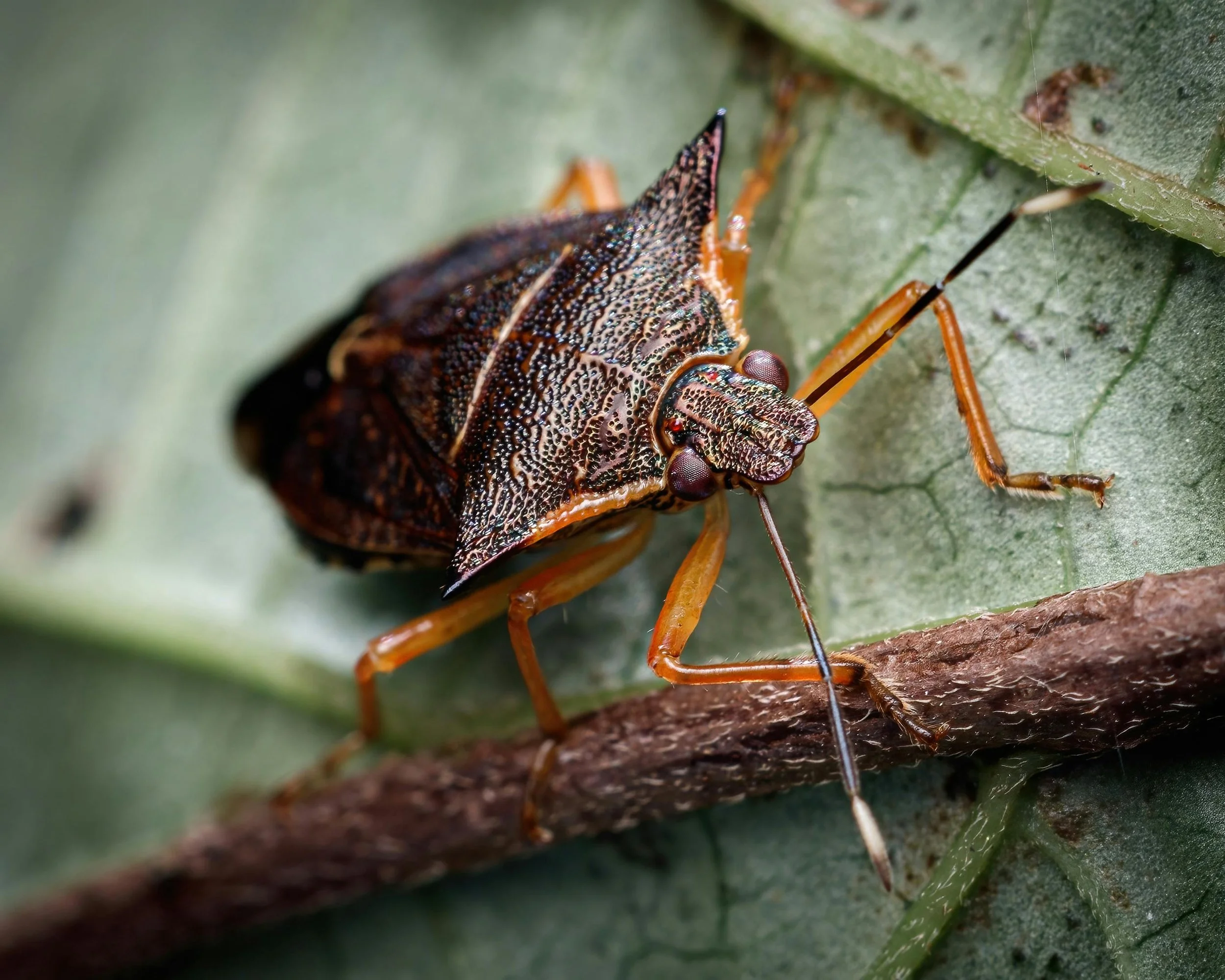
All About Chinch Bugs in Utah: Facts, Habits & Effective Control
Chinch bugs are tiny lawn pests that can cause big problems for your grass. These minuscule insects (only about 1/5 of an inch long) might be hard to spot, but they can quickly turn a lush green lawn into dry, brown patches. Common in Utah lawns especially during hot, dry summers, chinch bugs thrive in sunny areas and feed on grass juices, leaving behind straw-like, dead turf even if you water regularly. Homeowners often mistake chinch bug damage for drought stress only to find that extra watering doesn’t help. If your well-watered lawn is suddenly developing unexplained brown spots, chinch bugs could be the culprits.
But don’t worry, there are ways to fight back and save your lawn from these pesky sap-suckers. Effective chinch bug control in Utah starts with understanding what chinch bugs are, how to identify their damage, and how to prevent them. And when DIY steps aren’t enough, Lawn Doctor’s Yard Armour insect control program can provide a professional solution to wipe out chinch bugs and restore your lawn’s health.
What Are Chinch Bugs?
Chinch bugs are small, sap-sucking insects (true “bugs”) that target turfgrass. In Utah, the most common species is the hairy chinch bug ( Blissus leucopterus ), which feeds on many common lawn grasses including Kentucky bluegrass, perennial rye, and fescues. (Another species, the common chinch bug, prefers grain crops but can also invade turf.) These bugs have needle-like mouthparts used to pierce grass blades and suck out the sap. As they feed, they also inject a toxic saliva that disrupts the plant’s ability to transport water and nutrients, causing the grass to wilt and die.
Physically, chinch bugs are very small and often go unnoticed until damage appears. Young chinch bugs (nymphs) start off tiny (about 1/16 inch) and bright red or orange with a white band across their back. As they mature through several stages, they darken to orange-brown and then black. Adult chinch bugs are roughly 1/6 inch long with black bodies and distinct white wings that fold over their back, forming an X or hourglass pattern with a small black triangle near the shoulders. Interestingly, chinch bugs do have wings but rarely use them to fly; most of the time they scuttle through the grass and thatch rather than taking to the air. If you ever crush a chinch bug, you might notice a strong, unpleasant odor, they’re actually related to stink bugs and emit a foul smell when smashed.
Chinch bugs live and breed right in your lawn. They spend winter hiding in the soil, thatch, or sheltered areas around yards (like along foundation edges or under plant debris) and become active in late spring when temperatures rise. Once it’s warm (around 70°F and above), overwintered adults mate and females begin laying eggs on grass plants, down in the thatch and soil crevices. Each female can produce a substantial number of eggs (hundreds over her lifetime), so populations can grow rapidly through the summer. In Utah’s climate, chinch bugs typically have two generations per year, one in early summer and a second that peaks in late summer into early fall. This means the worst damage often shows up from mid-summer to August when large numbers of hungry nymphs and adults are feeding. Now that we know what these insects are, let’s look at where they tend to live and cause trouble.
Where Do Chinch Bugs Live?
Chinch bugs spend almost their entire life in your lawn, and they especially love hot sunny spots, this is why chinch bugs can be a nuisance in Utah. They congregate in the thatch layer and at the base of grass plants, lurking near the soil surface where they can feed on the crowns and stems of grass. Lawns with a thick thatch (the layer of decaying grass material on the soil surface) are a favorite haunt for chinch bugs. The thatch provides shelter from predators and heat, and it’s where chinch bugs often lay eggs and hide between feedings. If your lawn’s thatch layer is over about 1/2 inch thick, it creates a perfect little habitat for them to multiply.
These pests also prefer open, dry areas over moist or shaded turf. In fact, chinch bug activity is usually heaviest in the hottest parts of a yard: think south- or west-facing sections of lawn that get full sun, or grass bordering hard surfaces that radiate heat. It’s common to first notice chinch bug damage near sidewalks, driveways, patios, and curb edges. Those areas heat up under the summer sun, creating warm microclimates that chinch bugs adore. By contrast, shady or consistently damp lawn areas are much less attractive to chinch bugs. If you have large trees shading part of your yard, the grass there is less likely to suffer chinch bug damage than the unshaded sections.
During the winter, adult chinch bugs in Utah hunker down to survive the cold. They seek shelter in lawn debris, leaf litter, deep thatch, or even clustered at the base of shrubs and along foundation walls. Come spring, as temperatures climb, they emerge from these hiding spots and move back into the lawn to feed and reproduce. This means that if you had chinch bugs one year, they might reappear the next year in the same spots if some survived the winter in your yard.
In summary, chinch bugs live within your grass and soil, not far away. They gather in sunny, warm sections of the lawn (often starting near heat-reflecting surfaces), and they shelter in the thatch and upper soil layer. Understanding their habitat helps explain the damage patterns we see on lawns… which we’ll cover next.
Problems Caused by Chinch Bugs
Having chinch bugs in your lawn is bad news for your grass. When these insects feed, they use their needle-like beaks to puncture grass blades and suck out the sap, robbing the plant of moisture and nutrients. A few chinch bugs won’t cause noticeable harm, but in larger numbers they literally drain the life out of your turf. As they feed, chinch bugs also inject a bit of toxic saliva into the grass, which further poisons the plant tissue and blocks water flow within the blades. The combined effect of this feeding frenzy is grass that first wilts, then turns yellow, and finally dries out to a brown, dead patch.
Early on, chinch bug damage might appear as small yellowing spots in the lawn often in that sunny area we mentioned. You may overlook it at first or assume the grass just needs more water. However, unlike drought stress, chinch bug–damaged grass won’t green back up with irrigation. Even after you water, the affected patches stay brown and brittle. That’s a key clue something more than dry weather is at play.
As the infestation grows, those initial yellow patches can expand and merge into larger irregular brown areas of dead grass. Chinch bug damage typically spreads outward from a central point, sometimes in a circular or halo pattern of dying grass. If unchecked, these patches can rapidly enlarge over the course of a hot summer. In severe cases with extremely high chinch bug populations (hundreds per square foot), they can destroy entire sections of lawn, leaving large swaths of completely dead turf that may need reseeding or resodding.
One of the biggest problems is that chinch bug damage often mimics other issues. Homeowners might blame drought, heat burn, or even fungal disease for the brown patches, not realizing bugs are the real cause. Meanwhile, the chinch bugs continue feeding and spreading. By the time many people diagnose the issue correctly, significant lawn damage has been done. That’s why it’s important to recognize the signs of chinch bugs early. In the next section, we’ll cover how to identify chinch bug damage and confirm whether these pests are behind your lawn’s decline.
(Are chinch bugs dangerous to people? Not at all they don’t bite or sting humans. Their harm is purely to your grass and your curb appeal!)
How to Identify Chinch Bug Damage
Because chinch bug damage can look like other lawn problems, it’s helpful to know the telltale signs. Here’s how you can determine if chinch bugs are attacking your grass:
Irregular brown patches in sunny areas: Chinch bug damage often begins as small yellowed spots that quickly turn brown and expand. The patches usually have an irregular shape (not perfect circles like some diseases) and are most common in open, sun-exposed parts of the lawn. You might first notice a patch near a driveway or on a south-facing slope areas that dry out faster and get hotter in summer. Over weeks, these patches can grow outward as the bugs spread to adjacent grass.
Grass that doesn’t recover with watering: A key indicator is that affected grass won’t green up even if you water it generously. Drought-stressed grass will usually perk back up after irrigation, but grass damaged by chinch bugs stays dry and straw-like no matter how much water you give it. If you find yourself perplexed that watering isn’t helping those brown spots, that’s a red flag.
Gradually spreading damage: Unlike a sudden spill or pet urine spot, chinch bug damage tends to spread over time. You may notice the brown patches enlarging week by week during the hot months. The edges of the damaged areas often have a gradient grass that’s yellowing, then beyond that grass that still looks healthy. The chinch bugs are usually active right at that interface between healthy and dying grass, expanding the dead zone as they move outward.
Live chinch bugs present: The most conclusive evidence is actually seeing the bugs themselves. This can be tricky due to their small size and color, but here’s what to do: Find where the brown, dead grass meets green grass (the advancing edge of damage). Get down close and part the grass blades, examining the thatch and soil surface. If chinch bugs are the cause, you may spot tiny insects scurrying away look for reddish-orange nymphs or the black-and-white adults. They will be very small (think less than 1/4 of an inch), so you might need to watch closely for movement.
The flotation (can) test: There’s a simple DIY test to confirm chinch bugs, known as the coffee can test. Take an old metal can (like a coffee can or large food can) and cut off both ends to make a cylinder. Push one end of the bottomless can about 2–3 inches into the soil at the edge of a suspected damaged spot. Fill the can with water and keep it filled for about 5–10 minutes. If chinch bugs are present in that area, they will float to the top of the water inside the can. This flushing method can reveal chinch bugs that are otherwise hiding in the grass. It’s a handy trick to detect even early infestations before large dead patches form.
Other pests or causes ruled out: Be aware that other lawn pests (like grubs or sod webworms) and fungal diseases can also cause brown patches. Grub damage usually allows the grass to be rolled up like a carpet (due to root loss), this is not the case with chinch bugs. Fungal patches might have distinct patterns (or visible mold) and often improve with fungicide. Chinch bug damage, on the other hand, often coincides with dry, hot weather and the signs listed above. If you’re seeing those telltales in mid-summer, chinch bugs are a prime suspect.
Identifying chinch bugs early is crucial. If you catch an infestation when patches are just starting to yellow, you can take action before your lawn looks like a patchwork quilt of dead grass. Now that you know how to spot chinch bugs and their damage, let’s lighten things up with a few interesting facts about these lawn invaders.
Fun Chinch Bug Facts
Chinch bugs might be annoying, but they have some fascinating traits! Here are some fun facts to give you a new perspective on these lawn pests:
“Chinch” means stink! The name “chinch bug” actually comes from the Spanish word chinche, which means bedbug. They were named this because, like bedbugs, chinch bugs give off a foul odor when crushed. (So if you ever squish one and notice a stink, now you know why!)
Tiny bugs, big families: Don’t underestimate how fast chinch bugs can multiply. A single female can lay hundreds of eggs in her lifetime, often around 250 or more. In fact, under ideal conditions one chinch bug could lay about 500 eggs in just a few weeks! No wonder populations can explode seemingly overnight.
They prefer walking to flying: Chinch bugs do have wings as adults, but you’ll rarely see them fly. Most chinch bugs stay grounded, crawling through the grass and thatch to find food. Their wings can be short in some individuals, and even fully winged ones tend not to disperse far by flight. They’re truly homebodies in your lawn.
Heat seekers: These pests are like little sunbathers they thrive in hot weather. Chinch bugs become most active when temperatures rise in summer and will seek out the warmest parts of your yard to feed. They even gather near heat-reflecting surfaces (like concrete and brick) to soak up extra warmth.
Hiding in plain sight: When you see a patch of dead grass, it might be swarming with chinch bugs. In heavy infestations, you can have 200–300 chinch bugs per square foot of lawn turf. They cluster together as they feed, which is why damage shows up in defined patches.
(Feeling a bit more informed? It’s surprising how such a small bug can cause so much destruction. The good news is, with proper lawn care and vigilance, you can make your yard far less hospitable to chinch bugs. Let’s go over some preventative tips next.)
What You Can Do to Help Stop Chinch Bugs in Your Lawn
It is absolutely possible to reduce chinch bug damage with some smart lawn care habits and early intervention. If you’ve been searching for how to get rid of chinch bugs in Provo (or Orem, Heber, or anywhere in Utah County), the tips below are a great starting point:
Water your lawn properly. Chinch bugs flourish in dry conditions, so keeping your grass adequately watered can make a big difference. Water deeply but infrequently, aim for about 1 to 1.5 inches of water per week (through irrigation or rain) during the growing season. Deep watering encourages stronger roots and healthier grass that can better withstand pest feeding. Avoid shallow, frequent watering which can lead to weak roots and does little to deter chinch bugs. In Utah’s climate, an early morning soak once or twice a week is often ideal, helping the moisture reach deep into the soil while minimizing evaporation.
Mow at the right height (and not too short). Mowing your lawn correctly can help prevent chinch bug issues. Different grass types have different ideal heights, but generally, keeping your grass a bit taller (around 3 inches for Kentucky bluegrass and fescue, for example) will shade the soil and retain moisture better. Taller grass also means a slightly cooler, more humid environment at soil level which is not as friendly to chinch bugs. When you mow, never remove more than one-third of the blade length at a time, as scalping the lawn can stress the grass and make it more vulnerable to pests. And always use a sharp mower blade; a clean cut is healthier for the grass. Proper mowing = stronger lawn = less chinch bug damage.
Dethatch and aerate your lawn. Because chinch bugs love hiding in thatch, it’s important to keep thatch under control. Check your lawn’s thatch layer and if it’s more than about 1/2 inch thick, plan to dethatch (remove the excess thatch) or aerate your lawn in the spring or early fall. You can use a thatch rake or mechanical dethatcher for this. Removing thatch not only evicts chinch bugs’ hiding spots but also lets water and nutrients penetrate the soil better. Core aeration is another great practice: by pulling out small soil plugs, you alleviate compaction and improve airflow and water flow to roots. Aerating in spring or fall helps your turf grow stronger and also disrupts the habitat for chinch bugs and other insects. A well-aerated, thatch-free lawn will dry out less between waterings and is less inviting to these pests.
Don’t over-fertilize with nitrogen. While proper fertilization keeps your lawn healthy, too much of a good thing can backfire. Excess nitrogen fertilizer encourages lots of tender, succulent new grass growth, basically ringing the dinner bell for chinch bugs. Over-fertilized lawns can actually suffer worse chinch bug damage because the insects have a smorgasbord of juicy grass to feed on. Follow a balanced fertilization schedule appropriate for Utah lawns (often spring and fall feedings are key). Use controlled-release nitrogen sources and avoid heavy applications during the peak summer heat. The goal is steady, moderate growth, not overly lush growth. By keeping fertilizer in check, you make your lawn a bit less appetizing to chinch bugs while also avoiding the stress that over-fertilization can cause to turf in hot, dry weather.
Keep the lawn tidy and healthy. Good general lawn maintenance will reduce many pest and disease problems, chinch bugs included. Rake up leaves and grass clippings, especially heading into winter, so chinch bugs have fewer places to overwinter. Avoid letting layers of debris build up. If you have any bare or thin spots in the lawn, consider overseeding them with the appropriate grass seed to get thick turf coverage, chinch bugs often start in weak areas of lawn. Also, pay attention to lawn health: for instance, avoid mowing when grass is extremely dry or heat-stressed (you could water first, then mow) to prevent additional stress. A vigorous lawn can tolerate chinch bug feeding much better and also makes it harder for infestations to establish.
Monitor during summer months. Stay vigilant in mid to late summer when chinch bug activity peaks. At least once a week, walk your lawn and inspect any suspicious areas of discoloration. Act quickly if you see early signs of chinch bugs by performing the float test or even just spot-treating a small area with an appropriate lawn insect control product can halt a new infestation. Early detection can save you from a lot of dead grass later on.
These preventative measures will definitely help make your lawn less inviting to chinch bugs. A well-watered, well-maintained lawn is your first line of defense. However, even with diligent care, chinch bugs can still sometimes gain the upper hand, especially during extreme heat waves or droughts. If you’re still noticing chinch bug damage despite your best efforts, or if an infestation is already severe, it might be time to bring in the professionals. That’s where Lawn Doctor comes in with our Lawn Maintainer program, designed specifically for effective chinch bug control and other lawn pests.
Professional Chinch Bug Control in Utah with Lawn Doctor
Lawn Doctor’s Lawn Maintainer program includes lawn pest control, and is our answer to stubborn chinch bug infestations. It’s like having a dedicated chinch bug exterminator in Santaquin, Orem, Heber, or whichever Utah community you call home, one that knows the habits of local lawn pests and how to keep them in check. We combine our expertise in Utah turf care with powerful, targeted treatments to not only eliminate chinch bugs already in your grass but also protect against future invasions.
How it works: On each visit, our trained technicians treat your lawn thoroughly with professional-grade insect control products that are both tough on pests and gentle on your grass. We target all the likely chinch bug hot-spots: deep in the turf and thatch layer, around the perimeter of your lawn, and along those warm edges by sidewalks and driveways where chinch bugs often proliferate By applying our treatments to these key areas, we create a protective zone that kills chinch bugs and continues to guard your lawn afterward.
We time our chinch bug control treatments to hit the pests at the right time. In Utah, that means early-summer when eggs are hatching and nymphs are feeding aggressively. Our Lawn Maintainer program includes routine check-ups and treatments during this window (typically as part of our summer lawn service schedule). Each treatment knocks down existing chinch bug populations and leaves a residual barrier in the soil and thatch to halt reinfestation. By breaking the chinch bug life cycle, we stop the continual waves of damage that can otherwise occur through late summer. And remember, our approach is family- and pet-friendly, we use EPA-approved products and apply them with precision, so you can trust that your loved ones and outdoor pets will be safe.
Season-long protection is key. Chinch bugs might be persistent, but so are we! If these pests show up again in between scheduled visits, Lawn Doctor has you covered. We stand by our service with a satisfaction guarantee just give us a call, and we’ll return to reassess and re-treat as needed, at no extra charge. Our goal is your total peace of mind and a healthy, chinch-bug-free lawn.
Local lawn experts you can count on: We’re a locally owned and operated team based in Utah County, which means we understand the specific challenges our area’s climate creates for lawns. From the high elevations of the Heber Valley to the hot valley floors in Utah County, we know when and where chinch bugs tend to strike. We’ve helped homeowners all across the region in Provo, Orem, Heber City, Spanish Fork, Springville, Mapleton, Salem, Santaquin, Midway, and surrounding communities rescue their lawns from insect damage. We’ll tailor our Lawn Maintainer chinch bug treatments to your yard’s needs, taking into account factors like your grass type, sun exposure, and any past pest issues. With Lawn Doctor, you get a custom approach backed by the nationally proven Lawn Doctor methods and our local knowledge of Utah turf.
Ready for a chinch-bug-free lawn? Take action and reclaim your green grass from these pesky invaders. Learn more about our chinch bug control program, or give us a call at (385) 463-2430 to request a free quote and speak with our friendly team. We’ll answer any questions and set up a convenient service appointment. Let us help you banish those chinch bugs and keep them out for good, so you can enjoy a healthy, beautiful lawn all season long!