All About Mosquitoes in Utah: Facts, Habits & Effective Control
Mosquitoes breed in standing water and rest in shady landscaping, and only the females bite. They are active from late spring into early fall. Lawn Doctor treats shady landscaping, shrubs, and the perimeter of your yard to reduce biting mosquitoes through the season.
Mosquitoes at a glance
Mosquitoes are some of the most common, and definitely annoying, pests you’ll encounter outdoors. Known for their itchy bites and high-pitched buzzing, these insects can quickly ruin any backyard barbecue. If mosquitoes have you avoiding your own yard, don’t fret there are ways to fight back. Effective mosquito control in Utah starts with understanding their habits and eliminating the conditions that help them breed. And when DIY steps aren’t enough, Lawn Doctor’s Yard Armour Mosquito Control program can help wipe out these biting pests so you can enjoy your yard again.
What Are Mosquitoes?
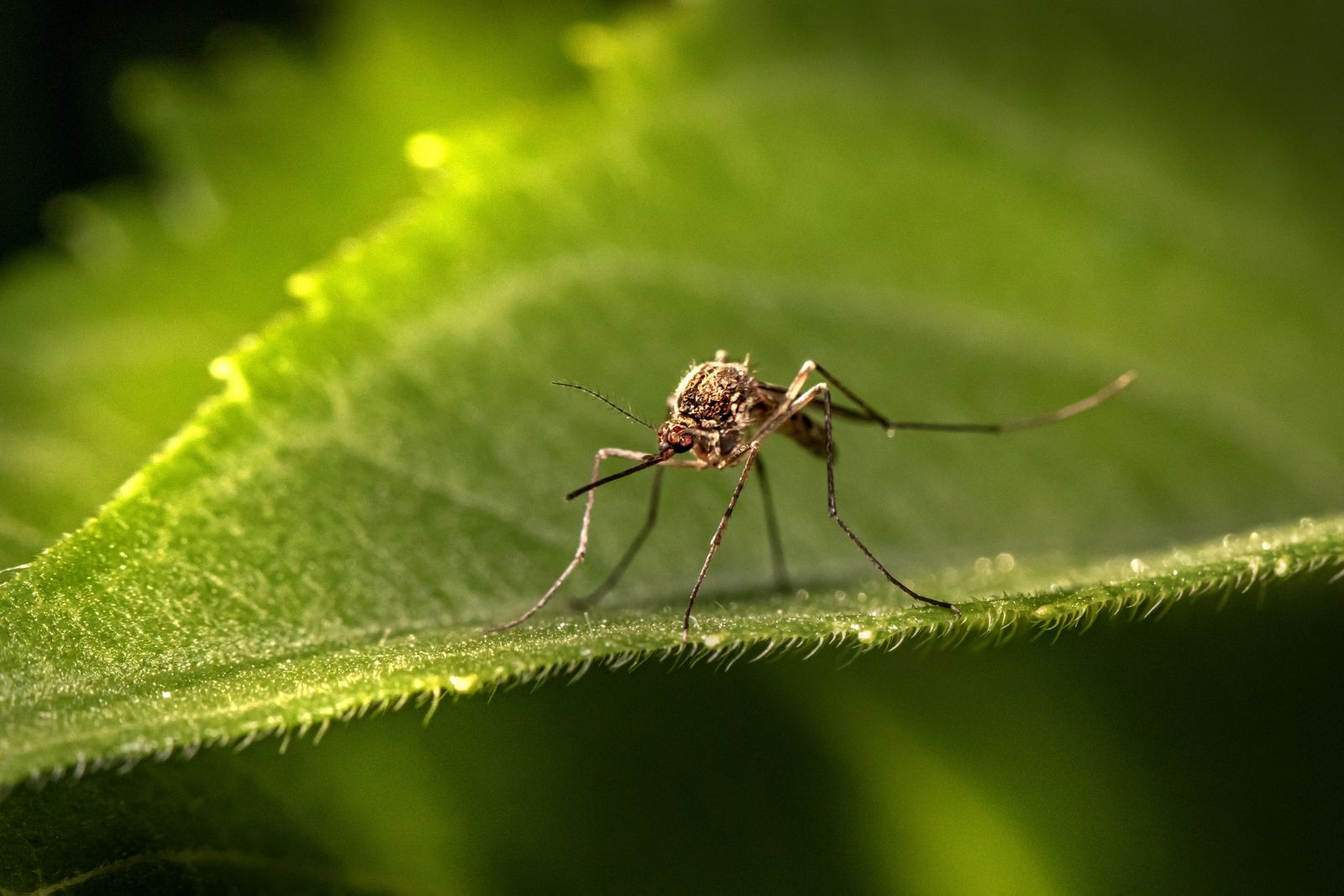
Mosquitoes are small flying insects belonging to the family Culicidae. They have two delicate wings, six slender legs, and long proboscises (tube-like mouthparts) for feeding. Interestingly, both male and female mosquitoes feed on nectar and sugary plant juices for energy. However, only female mosquitoes bite humans and animals, because they need a blood meal in order to develop their eggs. The female’s specialized mouthparts allow her to pierce skin and suck blood, whereas males lack this ability.
Where Do Mosquitoes Live?
Mosquitoes thrive in warm, humid environments and are often found near sources of standing water like ponds, marshes, birdbaths, or even clogged gutters. These wet areas serve as ideal breeding grounds since mosquito eggs and larvae must have water to develop. In residential settings, you might notice mosquitoes lingering in shaded, cool spots during the day. For example, under decks, in dense shrubbery, or in tall grass. While much of Utah has a dry climate, even a small amount of standing water from rain or sprinklers can become a mosquito nursery. Around your home, items like pet water bowls, flowerpot saucers, kiddie pools, or tire swings can collect water and attract egg-laying mosquitoes.
What Do Mosquitoes Eat?
Adult mosquitoes actually get most of their nutrition from plant nectar, not blood. Both male and female mosquitoes visit flowers and other plants to sip nectar and juice. The female mosquito, however, requires additional protein from blood to form her eggs. That’s why females seek out warm-blooded hosts (like people, pets, or wildlife) to bite. Female mosquitoes use various cues to locate their next blood meal. They can detect body heat, the carbon dioxide we exhale, and even certain odors and sweat chemicals from quite far away. Once a female finds a host, she will land and bite, drawing a small amount of blood which she’ll use to nourish her developing eggs.
Are Mosquitoes Dangerous?
Beyond causing itchy welts, mosquitoes can pose serious health risks. They are known vectors of many diseases. In Utah, the primary concern is West Nile virus, which mosquitoes can transmit from infected birds to humans. (Mosquito-borne West Nile cases crop up in Utah almost every summer.) Globally, mosquitoes spread illnesses like Zika virus, dengue fever, and malaria in certain regions. Even when they’re not carrying disease, mosquito bites can cause allergic reactions in some people, resulting in extra swelling or irritation. That’s why it’s important to take mosquito prevention seriously not only to avoid discomfort, but also to protect your family’s health.
Fun Mosquito Facts
A few things worth knowing about mosquitoes:
- There are over 3,500 known species of mosquitoes worldwide (and new species are still being discovered).
- Only female mosquitoes bite, males never feed on blood.
- A mosquito can drink up to three times its weight in blood during a single meal.
- Mosquitoes are often called the deadliest animals in the world because of the dangerous diseases they spread to humans.
- These insects can detect a human’s presence from over 100 feet away by sensing the carbon dioxide in our breath!
What You Can Do to Help Stop Mosquitoes in Your Yard
While you might not eliminate every mosquito on your property, some smart yard care steps can drastically reduce their numbers. To make your yard less inviting to mosquitoes, try the following:
- Eliminate standing water. Mosquitoes need water to breed, so regularly dump out any sources of stagnant water around your home. This includes obvious spots like buckets, birdbaths, kiddie pools, and clogged gutters, as well as small containers like plant saucers, old tires, or toys left outside. Even a few ounces of water can let mosquitoes multiply.
- Trim and tidy your landscape. Mosquitoes prefer to hide in cool, dark, or overgrown areas during the hot daytime. Keep your grass mowed and trim back bushes and weeds so there are fewer shady hiding spots. Also clear out excess leaves or debris where moisture can accumulate, and make sure your gutters are clean so water drains properly.
- Use outdoor fans. If you’re enjoying a porch or patio in the evening, consider turning on a fan. Mosquitoes are weak fliers and tend to avoid windy or breezy areas. A simple oscillating fan on your deck can blow away mosquitoes and make it harder for them to land on you.
By consistently following these steps, removing water, keeping vegetation in check, and creating a breezy environment, you can greatly cut down on the mosquito population in your yard.
Professional Mosquito Control in Utah with Lawn Doctor’s Yard Armour
Even with diligent prevention, sometimes mosquitoes persist, especially if you live near wetlands or during especially wet summers. That’s when calling in the professionals can make a huge difference. Lawn Doctor’s Yard Armour Mosquito Control program is like having a dedicated mosquito exterminator for your home in Provo, Orem, Heber, or wherever you live in Utah County. Our team understands the local mosquito species and their habits, and we know how to stop mosquitoes at the source.
On each visit, our trained technicians target the areas where mosquitoes breed and rest. We carefully treat shady landscaping, shrubs, under decks, and around the perimeter of your yard, all the spots mosquitoes love to lurk. By applying a specialized treatment to these key areas, we kill existing mosquitoes and their larvae, and create a protective barrier that keeps new mosquitoes from buzzing in. This focused approach greatly reduces the mosquito population on your property.
Season-long protection is a cornerstone of Yard Armour. In Utah, mosquitoes start becoming active in late spring and can remain a nuisance through early fall. To keep your yard protected, we typically perform about six scheduled treatments from spring through fall. Each treatment reinforces the shield around your home so you have continuous relief during mosquito season. And if the mosquitoes return in force between our visits? No problem, just let us know, and we’ll come back to re-treat at no extra charge. We stand by our service and want you to enjoy a worry-free outdoor space.
Just as importantly, our mosquito control treatments are family-friendly and pet-friendly once dry. We perform all applications outside your home, focusing on your yard and home perimeter so there’s no indoor spraying needed. You can usually return to enjoying your yard shortly after our visit (we’ll let you know how long to give the treatment to dry). The products we use are professional-grade and effective against mosquitoes, but are designed to be safe for your loved ones when used as directed.
Lawn Doctor proudly provides mosquito control services across Utah County and the Heber Valley including communities such as Provo, Orem, Heber City, Santaquin, Springville, Payson, Midway, Salem, Spanish Fork, Mapleton, and surrounding areas. Wherever you are in the region, we can help make your yard virtually mosquito-free.
Ready for a mosquito-free yard and more comfortable evenings outdoors? Take the next step toward reclaiming your outdoor space by reaching out to Lawn Doctor for a free, no-obligation quote on our Yard Armour mosquito control program. We’re happy to answer any questions and get you scheduled for service. Contact us today or give us a call at (385) 463-2430, and let us help you take back your yard from those blood-sucking biters!
Mosquitoes questions
What are mosquitoes?
Mosquitoes are small flying insects belonging to the family Culicidae. They have two delicate wings, six slender legs, and long proboscises (tube-like mouthparts) for feeding. Interestingly, both male and female mosquitoes feed on nectar and sugary plant juices for energy. However, only female mosquitoes bite humans and animals, because they need a blood meal in order to develop their eggs.
Where do mosquitoes breed?
Mosquitoes thrive in warm, humid environments and are often found near sources of standing water like ponds, marshes, birdbaths, or even clogged gutters. These wet areas serve as ideal breeding grounds since mosquito eggs and larvae must have water to develop. In residential settings, you might notice mosquitoes lingering in shaded, cool spots during the day.
Are mosquitoes dangerous?
Beyond causing itchy welts, mosquitoes can pose serious health risks. They are known vectors of many diseases. In Utah, the primary concern is West Nile virus, which mosquitoes can transmit from infected birds to humans. (Mosquito-borne West Nile cases crop up in Utah almost every summer.) Globally, mosquitoes spread illnesses like Zika virus, dengue fever, and malaria in certain regions.
Do mosquitoes in Utah carry West Nile virus?
In Utah, the primary concern is West Nile virus, which mosquitoes can transmit from infected birds to humans. (Mosquito-borne West Nile cases crop up in Utah almost every summer.) Globally, mosquitoes spread illnesses like Zika virus, dengue fever, and malaria in certain regions. Even when they’re not carrying disease, mosquito bites can cause allergic reactions in some people, resulting in extra swelling or irritation.
Do you offer mosquito control in Utah County and Heber Valley?
Yes. Lawn Doctor treats mosquitoes through our Yard Armour program in Provo, Orem, Spanish Fork, Springville, Payson, Santaquin, Salem, Mapleton, Midway, Heber City, Park City, and Kamas. Our pest control is exterior only, and a technician never needs to enter your home.
How often do you visit?
Pest control is six recurring visits a year.
Do you come inside my home?
No. Our pest control is exterior only, and a technician never needs to enter your home.
Do I have to sign a contract?
No. Our services are pay-as-you-go with no contracts, and evaluations are free.
What if mosquitoes come back after a treatment?
Tell us and we will re-treat at no charge. If we still cannot fix it, we will refund your last application. Certain restrictions apply.
Other pest guides
Utah County, Heber Valley, and Park City
Pick your city to see what we offer near you.
From the blog
More on this pest from our Utah lawn and pest blog.
More pest guides
Other pests we treat across Utah County and Heber Valley.
Ant controlSpider controlWasp controlEarwig controlBoxelder bug controlChinch bug controlTick controlGet rid of mosquitoes for good
Free evaluation, no contracts, pay as you go. Call or text (385) 463-2430 or request a quote online.