All About Ticks in Utah: Facts, Habits & Effective Control
Ticks are tiny but troublesome pests that no Utah homeowner wants to encounter. These small, spider-like critters survive by latching onto people or pets and sucking blood, which can leave behind itchy bites or worse, dangerous diseases. While ticks are often associated with wooded trails or mountains, they can be found closer to home than you might think, especially in the warmer months. If you’re worried about ticks in your yard, don’t fret, there are ways to fight back. Effective tick control in Utah starts with understanding these parasites and eliminating the conditions that help them thrive. And when DIY steps aren’t enough, Lawn Doctor’s Yard Armour Tick Control program can provide a professional solution to protect your family so you can enjoy your yard again.
What Are Ticks?
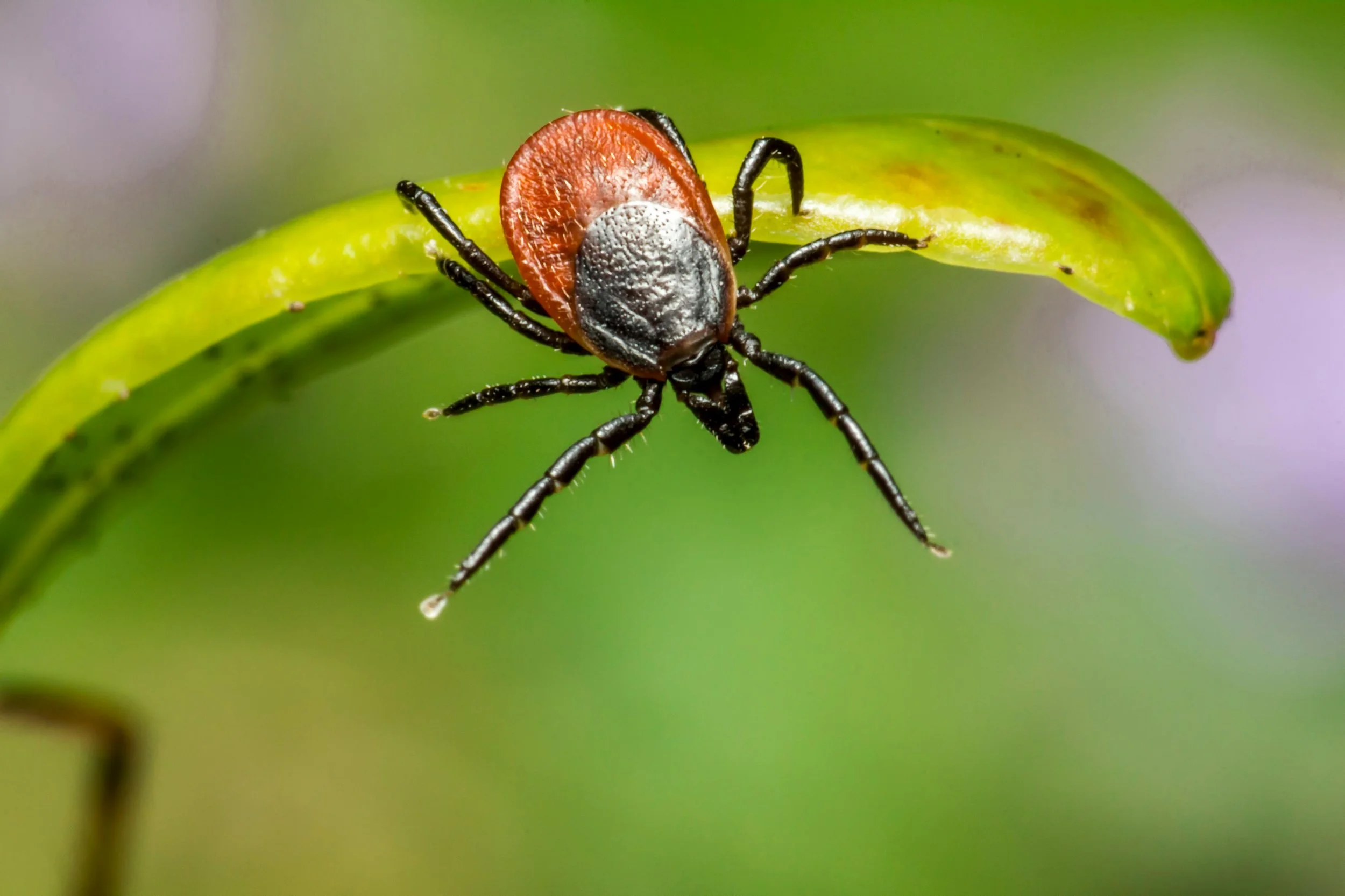
Ticks are arachnids, meaning they’re in the same family as spiders and mites, not insects. They have eight legs in their mature stages (tick larvae hatch with six legs, then develop eight as nymphs and adults). Unlike spiders, ticks are external parasites. This means they must feed on the blood of a host animal to survive. Ticks are very small (often just a few millimeters before feeding), and their flat, oval bodies can balloon in size when engorged with blood. They have specialized mouthparts for piercing skin and a barbed feeding tube that helps them stay attached while they drink.
Ticks go through multiple life stages egg, larva, nymph, and adult, and most species need a blood meal at each stage (except the egg) to grow. Many ticks will feed on different hosts as they mature: for example, a young tick might bite a mouse or bird, then later latch onto a deer or dog. Ticks aren’t very fast movers; they don’t fly or jump. Instead, they crawl and climb onto grass or shrubs, then wait with outstretched legs for a passing host. When an animal or person brushes by, the tick quickly grabs on. This ambush strategy is called “questing” a tick will literally hang out on a blade of grass or leaf, questing for its next meal.
Where Do Ticks Live?
Ticks thrive in grassy, brushy, or wooded areas where they can easily find hosts. In Utah, tick season typically runs from spring through mid-summer (with a possible uptick again in the fall as weather cools). You’ll usually find ticks lurking low to the ground from leaf litter and soil level up to about 2–3 feet high in vegetation. They love moist, shaded spots: think tall grass, overgrown weeds, leaf piles, and the edges of forests or fields. Along hiking trails or property lines near wild land, ticks cluster where deer or rodents travel, ready to hitch a ride.
Around your home, ticks are most likely to be in the yard perimeter or any areas that mimic their natural habitat. For instance, if your lawn borders a wooded ravine, a field, or heavy shrubbery, those transition zones are prime tick hangouts. Ticks will occupy overgrown fence lines, brush piles, and under trees or dense groundcover. They can also be carried into your yard by wildlife, deer, squirrels, stray cats, raccoons, birds, and especially small rodents can drop ticks off as they pass through. The ticks then wait in your landscaping for the next host (which could be you or your pet). Because Utah’s climate is fairly dry, tick populations in residential yards tend to be lower than in more humid regions, but they do exist wherever enough shade, vegetation, and host animals are present. And once ticks make it onto your property, they can multiply if conditions stay favorable. Keeping your yard well-maintained (more on that below) goes a long way toward making it less inviting for ticks.
What Do Ticks Eat?
All ticks feed exclusively on blood. They require blood meals to grow and reproduce. Different tick species have preferred hosts, for example, some target large mammals like deer, others favor dogs or rabbits, and some will even feed on birds or reptiles. However, any tick will bite humans or pets if given the opportunity. Ticks aren’t picky diners when they’re hungry! They find hosts by sensing body heat, odors, or the carbon dioxide that animals exhale. When a host brushes by, a tick grabs on and seeks a thin area of skin to bite.
Once attached, a tick inserts its mouthparts and begins drawing blood for sustenance. Ticks are slow feeders, a single meal can take several days. In fact, a tick may remain attached for 3–10 days depending on the species and life stage, quietly engorging itself. You generally won’t feel a tick’s bite when it happens. Their saliva contains anesthetic compounds to numb the area and even a cement-like substance that helps glue them in place. This stealthy feeding strategy is why ticks often go unnoticed until they’re fully engorged or spotted crawling on skin. Both male and female ticks bite (though females usually swell much larger when feeding). A tick will drop off on its own once it’s had its fill, but by that time, it may have transmitted any pathogens it carries. That’s why prompt detection and removal of ticks is so important for health.
Are Ticks Dangerous?
Ticks might be tiny, but they can pack a serious punch when it comes to public health. Because they feed on blood, ticks can pick up disease-causing organisms from one host and pass them to another. In fact, ticks are second only to mosquitoes as vectors of human diseases worldwide. A tick bite itself is usually not painful or poisonous, but if the tick is infected with a pathogen, it can transmit illnesses to you during feeding. Some of the diseases spread by ticks include Lyme disease, Rocky Mountain spotted fever, tularemia, babesiosis, and others many of which can cause severe symptoms.
The good news is that not every tick carries disease, and not every bite will make you sick. The risk depends on the tick species, your region, and how long the tick was attached. Here in Utah, tick-borne illnesses are less common than in some other parts of the country, but they do occur. The primary tick that carries Lyme disease (the Western blacklegged tick) is present in Utah but rarely encountered, and surveys have found virtually no Lyme bacteria in ticks here. However, other diseases are a concern. The Rocky Mountain wood tick, which is the most frequently encountered tick in our area, can transmit Rocky Mountain spotted fever as well as Colorado tick fever. Meanwhile, the common brown dog tick (often found on dogs and sometimes in homes) is also a known carrier of Rocky Mountain spotted fever. These illnesses can lead to high fever, severe headaches, rashes, and even life-threatening complications if not treated promptly.
It’s also worth noting that ticks usually need to feed for many hours (often 24–48 hours) before they successfully transmit an infection like Lyme disease. That means if you can find and remove a tick shortly after it bites, you greatly reduce the chance of getting sick. Nonetheless, prevention is far better than dealing with tick-borne disease. Even a “relatively safe” area like Utah can have pockets of tick activity, so it’s wise to stay vigilant. Always check yourself and your pets for ticks after spending time in tall grass or brush. If you develop flu-like symptoms or an unusual rash after a tick bite, see a doctor right away. In summary: most tick bites in Utah won’t cause serious harm, but the danger is real, and taking ticks seriously will help keep your family safe.
Fun Facts About Ticks
They might be creepy little bloodsuckers, but ticks have some surprisingly interesting qualities worth noting:
Arachnid relatives: Ticks are not insects at all they’re actually arachnids (related to spiders and mites). Uniquely, a baby tick (larva) hatches with only 6 legs, but by the time it becomes an adult it has 8 legs. This sets ticks apart from insects, which have six legs throughout their life.
Durable survivors: Ticks are built for the long haul. Some ticks can survive as long as 200 days without a meal(over 6 months!) by going dormant and conserving energy. In fact, depending on the species, a tick’s life cycle from egg to adulthood can span 2-3 years, plenty of time to lie in wait for hosts to come by.
No jumps, no wings: Unlike fleas or mosquitoes, ticks do not jump or fly. They get around by crawling. To find hosts, ticks climb up grass or bushes and extend their front legs to grab onto any animal (or person) that brushes past They can also drop from a perch if something passes underneath. This ambush strategy (called “questing”) is how ticks hitchhike onto hosts without ever needing to jump or fly.
Slow but steady feeders: When a tick bites, it settles in for a multi-day feast. Ticks cut into the skin and embed their mouthparts, then feed slowly for days, sucking blood. The upside (for us) is that it typically takes 24+ hours of feeding before a tick can transmit certain diseases like Lyme disease. Prompt removal of ticks is very effective at preventing infection so do those tick checks after outdoor activities!
Many kinds of ticks: There are about 900 tick species known worldwide (roughly 90 species live in the U.S.). Thankfully, only a handful of those tend to bite humans. Utah is home to several tick species, but the ones you’re most likely to run into are the Rocky Mountain wood tick, the brown dog tick, and occasionally the Western blacklegged tick. Each has different preferred hosts and habitats, but all have the same annoying habit of biting people or pets if they get the chance.
(Feeling a bit itchy now? Learning about ticks can be unsettling, but remember that knowledge is power when it comes to pest prevention! Next, we’ll cover what you can do to make your yard less attractive to ticks.)
What You Can Do to Help Stop Ticks in Your Yard
While you might not eliminate every tick on your property, some smart yard care steps can drastically reduce their numbers and make your outdoor space far less inviting to these pests. If you’ve been searching for how to get rid of ticks in Provo (or Orem, Heber, or anywhere in Utah), the tips below are a great starting point:
Keep grass short & vegetation tidy. Ticks thrive in tall grass and brush. Mow your lawn regularly and trim back weeds or overgrown shrubs, especially in areas along fences, property edges, and near wooded spots. Remove leaf litter, fallen branches, and thick brush piles where ticks and the small animals they ride on like to hide. A well-groomed yard with less clutter gives ticks fewer cool, shady hiding places.
Create a buffer zone. If your yard borders wild areas (woods, fields, or dense brush), consider establishing a barrier to keep ticks from migrating in. You can lay down a 2–3 foot wide strip of gravel, wood chips, or bark mulch along the boundary between your lawn and any adjacent wilderness. This dry, sunny strip can help deter ticks from crossing into your lawn. Also, try to locate playground equipment, swing sets, or patios away from the yard perimeter and tree lines. Keep them in the center of the yard or in sunnier spots, if possible. Ticks are less likely to infest open, well-maintained areas.
Discourage tick-carrying wildlife. Ticks often hitch a ride on deer, rodents, and other animals, which then drop them off in your yard. To make your property less appealing to these critters, take away easy food and shelter sources. Keep trash cans tightly sealed to avoid attracting raccoons or rodents. Consider removing bird feeders (or cleaning up spilled seed) in summer if you notice rodents gathering under them. If deer are common in your area, protect your garden with fencing or deer-resistant plants, deer can carry plenty of ticks on their coats. By reducing wildlife visits, you reduce the chances of new ticks being introduced.
Protect your pets. Dogs and outdoor cats are like tick magnets and they can carry ticks into your home. Use veterinarian-recommended tick prevention on your pets (such as tick collars or topical treatments) consistently during tick season. It’s also smart to check your pets for ticks whenever they come in from roaming in grass or trails. Pay attention to areas like under the collar, behind the ears, under legs, and between toes. Removing ticks from pets promptly not only helps the animal, but also prevents those ticks from dropping off in your house or yard.
Use tick treatments if needed. For yards with persistent tick issues or in high-risk areas, it may help to apply a tick control product. There are insecticide sprays and granules designed for yards that can reduce tick populations (always follow label instructions or hire a professional for application). Treatments are typically applied to lawn edges, shady gardens, and tick habitat areas, not the entire lawn. Keep in mind that professional tick control services (like our Yard Armour program, below) can target and treat these hotspots effectively to form a protective barrier around your property.
By diligently following these steps, keeping things trimmed, cleaned, and protected, you can make a huge dent in the tick population in your yard. Many homeowners find that a combination of yard maintenance and pet care greatly cuts down on tick encounters. However, even with a perfect yard, it’s virtually impossible to get every tick, especially if your property is near prime tick habitat. Ticks are carried in by roaming animals and can re-populate over time. If you’re still finding ticks around or just want extra peace of mind, it might be time to call in the pros. That’s where Lawn Doctor comes in with our Yard Armour Tick Control service, designed to deliver an added layer of protection against ticks.
Professional Tick Control in Utah with Lawn Doctor’s Yard Armour
Lawn Doctor’s Yard Armour pest control program is our answer to persistent tick problems. It’s like having a dedicated tick exterminator in Midway, Santaquin, Mapleton, or wherever you live in Utah County, one that knows the habits of local ticks and how to stop them before they get to you. Our approach focuses on creating a protective “bubble” around your yard to significantly reduce tick activity. Here’s how we do it:
How it works: On each service visit, our trained technicians perform a thorough exterior treatment of your property focusing on the areas where ticks love to lurk. We target tick hot spots: tall grassy sections, ornamental beds, perimeter shrubbery, groundcover, and property edges (along fences, woodlines, or trails). These are the places ticks typically hide and wait for hosts. We apply a professional-grade tick control treatment to these key areas, which kills existing ticks on contact and leaves a residual barrier that keeps new ticks from moving in. By treating the lawn perimeter and shady landscaping (and not just the open lawn), we create a long-lasting shield that ticks won’t want to cross. Our technicians can even treat harborage areas like under decks or around woodpiles if needed. With each visit, we also knock down other pests that our product targets, which means fewer fleas, spiders, and other creepy-crawlies as a nice bonus.
Season-long protection: Our tick control service isn’t a one-and-done single spray it’s an ongoing, seasonally timed program. In Utah, ticks tend to be most active from late spring through early fall (peaking in summer). To stay ahead of them, Yard Armour includes routine treatments (about six visits per year) strategically scheduled throughout the warmer months, typically starting in spring. Each treatment reinforces your yard’s protective barrier so you remain consistently defended. And if the ticks (or any of the other pests we cover) show up in force between scheduled visits, just give us a call and we’ll come back to re-treat at no extra charge. We stand by our service and want you to enjoy a worry-free outdoor space all season long.
Family-friendly and convenient: One big benefit of Yard Armour is that all our applications are done outside your home there’s usually no need for any indoor spraying. Ticks live in your yard, not inside your house (with rare exceptions), so we keep the treatment where the ticks are. This means you don’t have to alter your schedule to meet us or worry about chemical odors indoors. The products we use are professional-grade and tough on ticks and insects, but safe for your family and pets once dry. Our technicians are careful to treat only the necessary areas, mainly your yard perimeter and tick habitat zones, avoiding flower beds or veggie gardens unless we’ve discussed it with you. After a short drying time, you can get back to enjoying your yard as usual. It’s truly a win-win: far fewer ticks and pests for you, with no hassle or disruption to your daily life.
Service areas: Lawn Doctor proudly provides tick control services throughout Utah County and the Heber Valley. This includes communities such as Provo, Orem, Heber City, Spanish Fork, Springville, Payson, Santaquin, Mapleton, Midway, Salem, and surrounding areas. We’re a locally owned and operated team, so we understand the specific pest pressures that yards in our region face including ticks in our grasslands and foothills. Whether your home is in the heart of Orem or out by the pastures of Spanish Fork, we know what it takes to keep your property tick-free.
Ready for a tick-free yard and the peace of mind that comes with knowing you and your loved ones are protected? Take the next step toward reclaiming your outdoor spaces by reaching out to Lawn Doctor for a free, no-obligation quote on our Yard Armour tick control program. We’re happy to answer any questions and get you scheduled for service. Contact us today or give us a call at (385) 463-2430, and let us help you reclaim your yard from these tiny blood-sucking invaders!