
How to Water Your Utah Lawn Without Wasting It (Or Killing It)
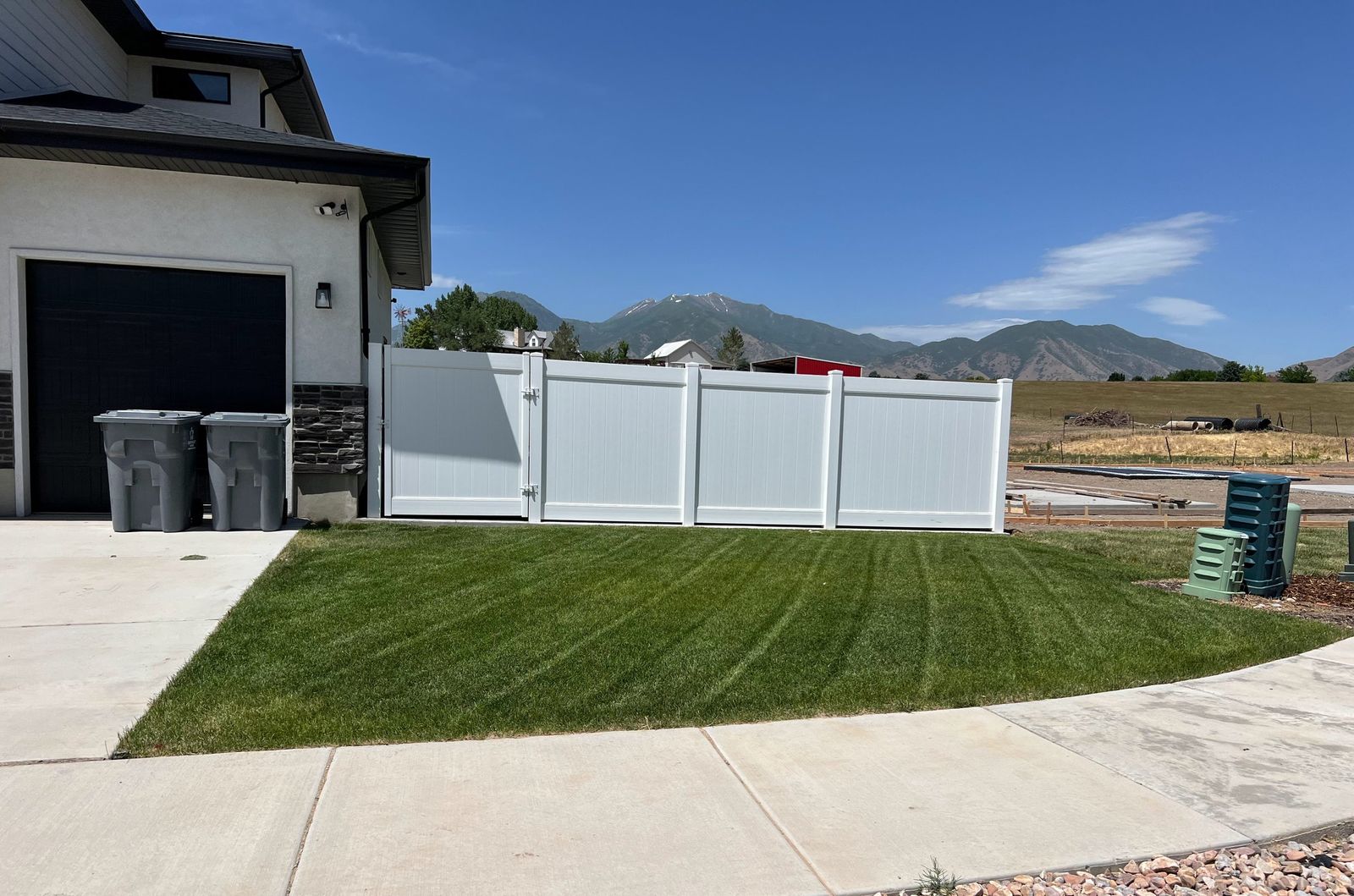
Most Utah homeowners either overwater or underwater, and water restrictions are tightening every summer across Utah County. This post shows how to water so your lawn gets what it needs without waste.
Most Utah homeowners are either overwatering or underwatering. Rarely anything in between. And with water restrictions tightening every summer across Utah County, getting this right matters more than ever.
Here's what you actually need to know.
Utah is a desert. Your lawn doesn't know that.
Kentucky bluegrass, the most common grass in Utah County, wants water. A lot of it. But that doesn't mean you dump water on it every day. Deep, infrequent watering is almost always better than shallow, frequent watering. It trains roots to grow deeper, which means your lawn handles heat and drought stress far better come August.
The general rule: water deeply, 2 to 3 times per week in summer.
But "deeply" means something specific. You want 1 to 1.5 inches of water per week applied in those sessions. Most sprinkler systems run 15 to 20 minutes per zone to hit that target, but every system is different. Set out a few tuna cans and run your system to find out exactly what yours puts out.
How to tell when your lawn is thirsty:
- Footprints stay visible after you walk across it
- The grass has a grayish or bluish tint instead of bright green
- The top inch of soil feels dry when you push a screwdriver into it
Adjust with the seasons, not just the calendar.
Spring and fall? Your lawn needs far less. Cool temps and shorter days mean you can often drop to once a week, or even skip a week during rainy stretches. Watering on autopilot year-round wastes thousands of gallons and makes your lawn more vulnerable to disease.
Know your local restrictions.
Many cities across Utah County have tiered watering schedules and odd/even day restrictions that shift throughout summer. Check with your city's water department before peak season so you're not caught off guard or hit with a fine.
A well-watered lawn is also a lawn that absorbs fertilizer properly, chokes out weeds, and bounces back from pest damage. It's one of the highest-leverage things you can do, and it costs nothing extra.
Need help with your lawn or home?
Utah County, Heber Valley, and Park City
Pick your city to see what we offer near you.
Related guides and services
Want help with this? Start here.
Aeration and overseedingLawn fertilization and weed controlLawn care and pest control in Heber CityLawn care and pest control in KamasReady for a greener lawn?
Call us or request a free quote. We make it easy.