
Why Heber Lawns Struggle in Early Spring (And What You Can Do Now to Prevent It)
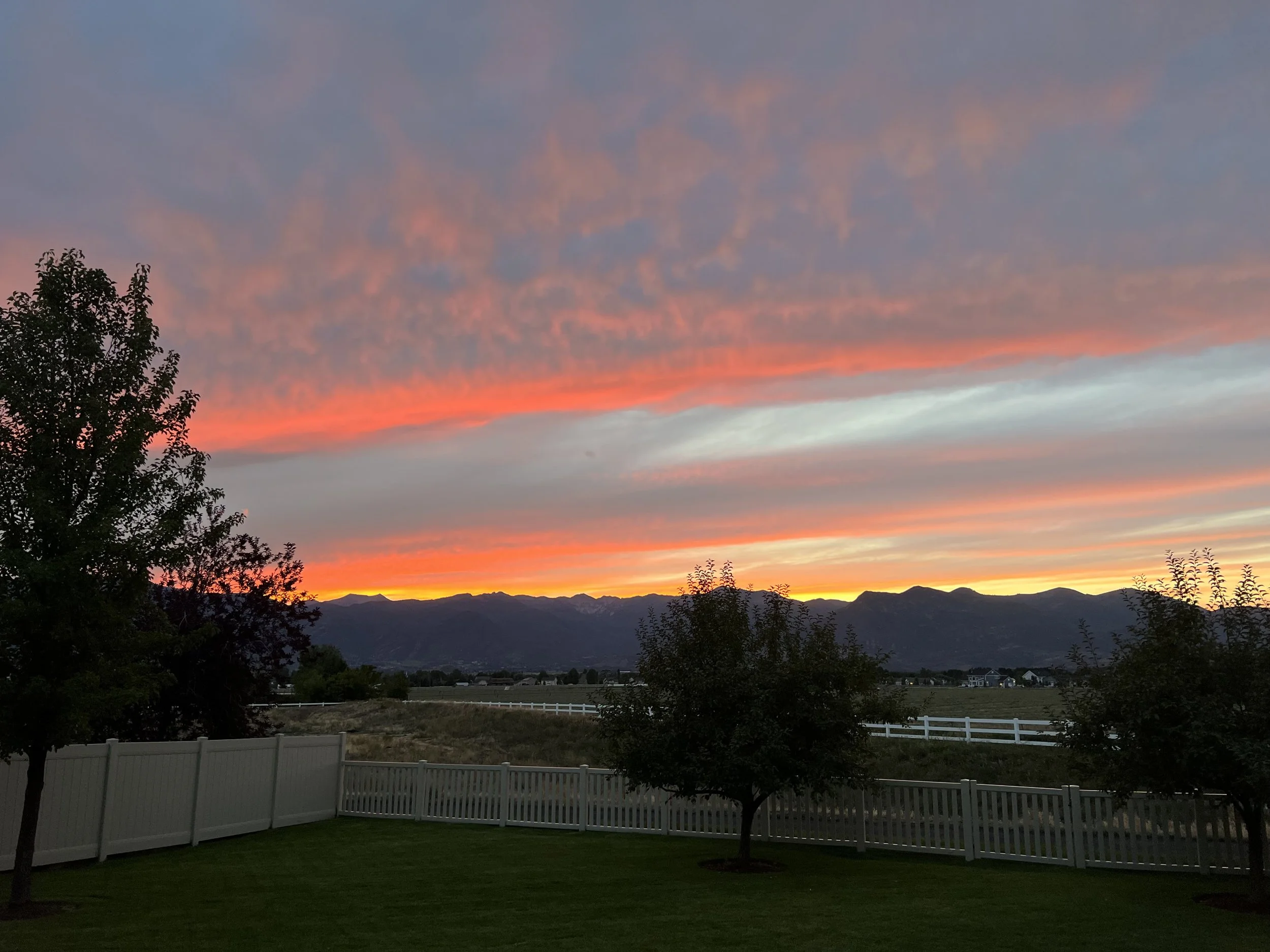
Because of Heber’s higher elevation, long winters, and extended snowpack, lawns face very different challenges compared to lower-elevation communities like Provo or Spanish Fork. The good news? Most spring problems can be prevented with the right steps taken in late fall and winter.
Here’s what’s happening beneath the surface and what you can do now to make sure your lawn wakes up healthier and greener when spring returns.
The Real Reason Heber Lawns Green Up Late
Heber Valley sits at roughly 5,600 feet, which means your lawn experiences:
Longer, colder winters
More frequent freeze–thaw cycles
Heavier and longer-lasting snow cover
Slower soil warming in March and April
All of these factors delay root activity, nutrient uptake, and new growth. Even healthy lawns take longer to bounce back in spring at high elevation.
Common Early-Spring Lawn Problems in Heber
❄️ 1. Snow Mold (Pink or Gray)
Snow mold thrives under deep, long-lasting snow. This fungus creates:
Circular, matted patches
Gray or pink fuzzy growth
Areas that stay dormant longer than the rest of the lawn
Heber’s climate is a perfect breeding ground for snow mold activity each winter.
🐛 2. Overwintering Lawn Pests
Certain pests survive winter beneath Heber’s snow:
Billbug larvae
Sod webworms
Because snow insulates the soil, these pests remain active at the root level. By the time you notice damage, it’s already well underway.
🌱 3. Soil Compaction from Heavy Snow Pack
Heber’s snow is often heavy, dense, and slow to melt. Months of pressure compact the soil, which:
Reduces oxygen flow
Slows spring root growth
Worsens drainage
Creates ideal conditions for fungus
Compacted soil is one of the biggest contributors to delayed green-up.
🌡️ 4. Cold Soil Temperatures
Even in April, soil in Heber is still cold. Cool soil slows:
Root growth
Microbial activity
Nutrient availability
This is why fertilizing too early in Heber can be ineffective it simply doesn’t move into the root zone.
What You Can Do Now to Prevent These Spring Problems
1. Schedule a Late-Fall Fertilizer Treatment
A winterizing treatment gives your lawn the nutrients it needs to survive harsh conditions and recover quickly when spring begins.
2. Aerate Before Snowfall
Core aeration reduces compaction caused by long winters and improves drainage. In Heber, aeration is one of the most important services you can do annually.
3. Treat for Grubs and Billbugs
A preventative treatment in fall or early spring stops root damage before it spreads.
4. Avoid Leaving the Lawn Too Long Before the First Snow
Overly tall grass increases snow mold risk. Your last mow should be shorter but not scalped.
✔️ 5. Use a Professional Program Built for Heber’s Climate
Heber Valley isn’t just “Utah but colder.” It’s a unique microclimate and it needs lawn care tailored to elevation, snowpack lengths, and soil conditions. Lawn Doctor specializes in local, high-elevation turf management.
How Lawn Doctor Helps Heber Lawns Thrive
At Lawn Doctor of Utah County & Heber Valley, we understand the challenges of high-altitude lawns because we work in them daily. Our programs are designed specifically for Heber’s:
Heavy winter snow
Extended freeze cycles
Unique soil composition
Common high-elevation pest activity
Whether you’re dealing with slow green-up, snow mold, or recurring dead spots each spring, we can help stop the cycle.
Prepare Your Lawn Now for a Stronger Spring
A healthy spring lawn starts in late fall and winter. If you want thicker turf, faster green-up, and fewer patchy areas, early preparation is the key.
📞 Call 385-463-2430 or Request a Free Quote to protect your Heber lawn before winter sets in.